
Table of Content
Contents
Typically, you may see strangers providing water to each other on crowded Indian rail stations. A family may be seen sharing food with an unknown traveler. Locals are often guiding visitors to locations without the thought of being compensated for their kindness. Meaningful selfless acts occur regularly throughout India. This defines the quiet yet powerful philosophy of Vasudhaiva Kutumbakam, which has existed within Indian culture for thousands of years and encompasses these types of actions.
When looking at how divided the world is by boundaries, thoughts, and who we are, the ancient Indian way of thinking shows us a unique way of understanding life. According to this philosophy, all of us as humans are profoundly linked with one another; we are not merely linked by the fact that we all exist as human beings—our emotions, morals, and spiritual values link us together. This is not just a figurative phrase; it forms a part of the larger Indian cultural “world view” that has had an effect on Indian culture, traditions, and social behaviour for thousands of years.
The Ancient Roots of a Universal Idea
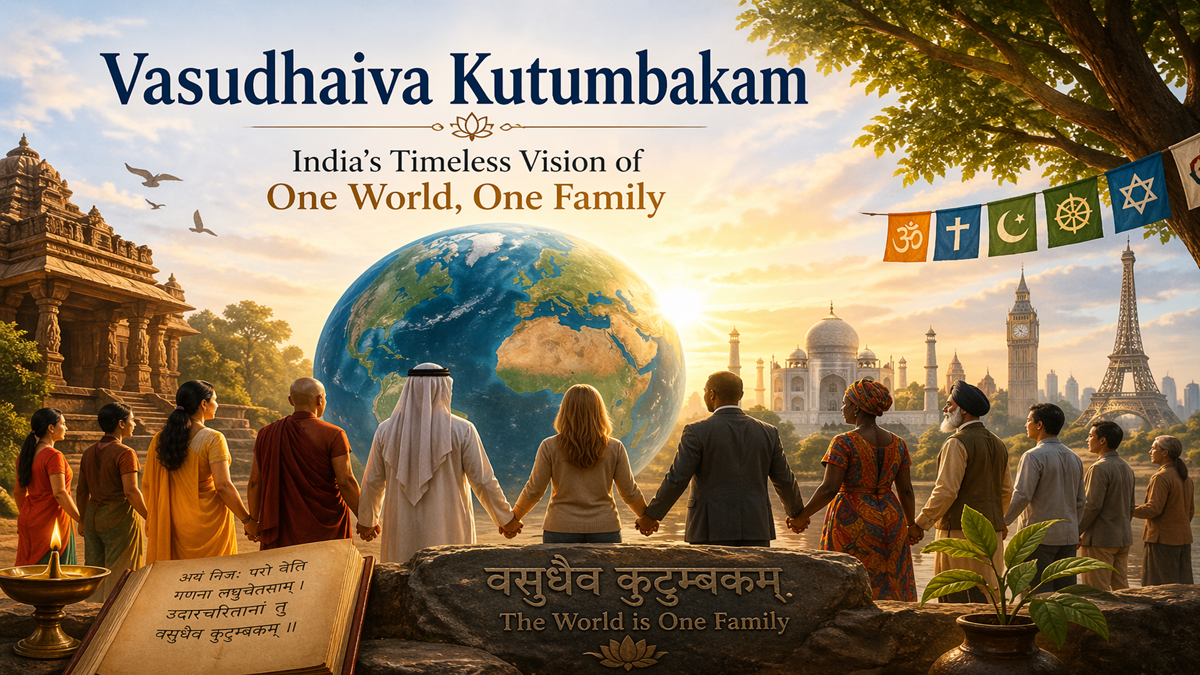
The phrase Vasudhaiva Kutumbakam originates from the Mahā Upaniṣad, one of the lesser-known but philosophically rich writings of ancient India, which contains the following verse:
“Ayam nijah paro veti, ganana laghuchetasam;
Udaracharitanam tu vasudhaiva kutumbakam.”
In simple terms, it means: “This is mine and that is yours—such thinking is for the narrow-minded. For the broad-hearted, the whole world is one family.”
Not only does the beauty of this poem stand out, but so does its boldness. When major parts of the world had yet to develop the conceivable means to live culturally united yet independently, and were typically separated by physical borders while forming communities within each other; some thinkers from India were beginning to envision a society beyond just geographic or tribal divisions; in doing so, early Indian philosophers called for human beings to expand their sense of belonging, not just to particular families or kingdoms, but rather to encompass all people throughout our planet.
The concept did not stay constrained by the text alone; it has gradually integrated itself into the cultural DNA (genomics) of India.
A Philosophy Beyond Boundaries
Vasudaiva Kutumbakam is all about breaking down barriers that separate “us” and “them”. This philosophy encourages us to see that everyone exists in the same vein, rather than as separate or different from one another.
The concept is closely associated with the notion that everyone shares the same essence, and throughout the history of India, we see this expressed in both spiritual and practical terms across a variety of activities. This basic idea of unity can be seen as it relates to the unity of life, the unity of consciousness, and the unity of all existence.
Indian civilization has a long tradition of promoting harmony before conflict, and of promoting coexistence in preference to the dominance of one culture over others. Indian civilization does not dismiss diversity, but rather embraces it while reminding us that diversity is found within a greater unity.
In a time of increasing identity politics and division, this point of view is viewed as being helpful not just from an intellectual standpoint, but also from a practical standpoint.
Living the Idea in Everyday Life
What makes Vasudhaiva Kutumbakam truly remarkable is that it is not just an abstract concept—it is visible in everyday Indian life.
Consider the traditional saying “Atithi Devo Bhava”—the guest is like God. This is not merely about hospitality; it reflects a deeper belief that every human being deserves respect and care, regardless of who they are or where they come from.
Typically, in villages/small villages in villages and small communities, a stranger can just walk into your house, have a meal, and enjoy a relaxed conversation with you and your friends. You can see multiple villages/small towns coming together to help each other during times of need. It still happens a lot in cities as well; there are many brief moments of spontaneous/helpful acts in the fast-paced city (e.g., help to show a traveler where to go or how to find their way, offer a person some type of assistance, etc.).
Joint family systems, too, reflect this cultural mindset. The idea of living together, caring for elders, and supporting one another is an extension of seeing relationships not as transactions, but as bonds.
These everyday practices quietly reinforce the idea that life is not meant to be lived in isolation, but in connection.
Festivals: Celebrations of Togetherness
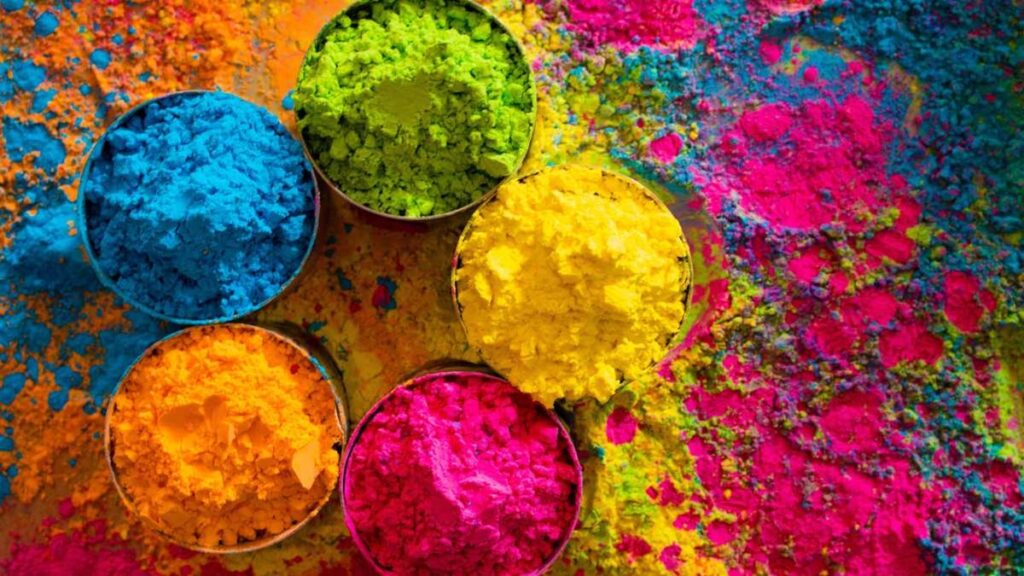
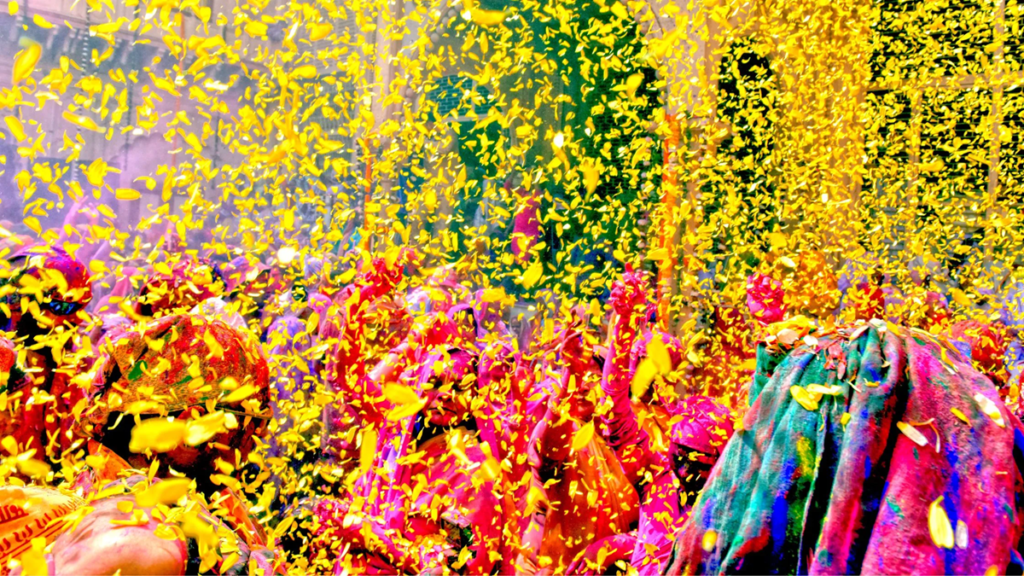
Indian festivals are probably one of the best examples of this philosophy. Be it Diwali, Eid, Christmas, or Gurpurab; Indian festivals have a way of going beyond any particular religion.
It is common to see neighbors of different faiths visiting each other, sharing sweets, and participating in celebrations. A Hindu family lighting lamps during Diwali may receive sweets from their Muslim neighbors during Eid. A Sikh gurudwara’s langar welcomes everyone, regardless of background.
These are not isolated incidents—they are part of a cultural pattern where joy is shared, and celebrations become collective experiences.
Hence, festivals here serve a purpose much beyond ritualistic performance. They act as a reminder that happiness is best shared and celebrated as a community.
India’s History of Inclusiveness
India’s long history offers many examples of how Vasudhaiva Kutumbakam has been practiced on a larger scale.
India has long been a crossroads of many cultures. Traders, travelers, academics, and refugees from a wide variety of places came to India. Each of those groups — Jews, Parsis, Tibetans, etc. — were not only welcomed into Indian society, they also became part of it.
The acceptance of others did not eliminate existing differences by creating an intricate tapestry of cultures. It produced an infusion of languages, new culinary styles, a fusion of artistic disciplines, and new traditions.
India’s cultural ability to accept and adjust to new ideas without losing their true essence defines this strength and reflects a deep-seated sense of faith in inclusion; that the presence of diverse people creates a strong sense of belonging through their collective value to the whole, rather than being a source of division within it.
A Modern Expression on the Global Stage
Vasudhaiva Kutumbakam’s relevance has recently increased because it is now being used universally and in India with regard to its relations with other parts of the world. As a result, it has become the foundation of all kinds of international discussions that involve nations working together for common goals.
Beyond maintaining their diplomatic relations with other countries, India’s unique culture can also be seen through its many cultural contributions to society at large. For example, practices such as yoga, meditation & Ayurvedic medicine have crossed all cultural borders and provided means of wellness for individuals from many different backgrounds.
These aren’t merely representations of India’s cultural traditions; they also represent a philosophical approach of sharing rather than hoarding knowledge.
Why This Idea Matters Today
In today’s society, we must work together as a global community to address global challenges, including global warming, disease outbreaks, poverty, and anger. All of these demonstrate that although we each have our own individual nations, we are all part of the same human family.
Against this background, Vasudhaiva Kutumbakam gives us insight into our responsibility for acting in ways that benefit society as a whole rather than just ourselves and our individualistic identity. Moreover? It urges us to view ourselves as members not only of our countries but also of an interconnected global community.
While this doesn’t disregard differences & conflicts, it requires looking at these issues & approaching them through dialogue, compassion & empathy and working together to discover (to find) the areas in which we have something in common.
On a personal level; this could help change the way that you relate to others; it is likely to give you opportunities to connect with others in new ways with greater compassion, & provide greater awareness of our common humanity.
The Gap Between Ideal and Reality
It is obviously unrealistic to say that this ideal is always perfectly practiced. Like all other societies across the globe, India also suffers from her share of divisions, each of which can be defined by the following methods: by caste, by religion, by region, and lastly, by economic status.
At times, it appears as if the concept or idea of “unity” is something that is far removed from reality. Examples exist where we see evidence of conflict, inability to accept differences, prejudice existing within society and/or differences being the basis for continued conflict.
However, the value of Vasudhaiva Kutumbakam may be that it’s the ideal to which an aspiring society should strive towards, even if it may not exist in its entirety.
Ideals are still relevant even when it is difficult to achieve them. In fact, their difficulty adds to their importance because they provide direction to people.
Bringing the Philosophy into Daily Life
While the phrase may sound grand, its practice begins with small, simple actions.
- Showing kindness to strangers
- Respecting people from different backgrounds
- Being open to new cultures and ideas
- Offering help without expecting anything in return
Everyday decisions can feel small, but they produce waves. When made every day, they create a culture of empathy and mutual trust.
To accomplish this concept of developing a culture based on empathy and trust through actions does not require large expressive acts; it requires an understanding of seeing everyone in the context of humanity rather than outside of it.
A Timeless Message for the Future
The real world is becoming increasingly connected to each other through advances in technology, and yet at the same time, we are growing increasingly divided and isolated as a society. In these times, old ideas can often find new value.
One such concept is Vasudhaiva Kutumbakam. Although it is an ancient philosophy, it continues to have relevance today and will have importance moving forward into the future. The essence of this philosophy is that progress can only be considered valid if everyone participates; therefore, the greatest strength that any society possesses is its collective strength through unification.
Indian culture, with its long history of embracing diversity and nurturing coexistence, offers this philosophy as a gentle but powerful message to the world.
Read More Article👉: India’s First Great Empire , Hampi , GI Tagged Crafts of India
Conclusion: Seeing the World as Home
Ultimately, Vasudhaiva Kutumbakam is not simply a belief system about our perspective of the world but rather represents our decision of how to live within the world.
By seeing past outward differences; treating other people with courtesy, compassion and dignity; and recognizing our commonalities as human beings, Vasudhaiva Kutumbakam transforms from a mere philosophical concept into an actual reality – a global family.
It is possible that the earth’s development may not happen instantly. But, for instance, every instance of compassion, every instance of understanding, and every step to resolve a problem can help us grow in esteem and connection to one another.
Perhaps that is the start to which I am referring to—not with declarations, but with little things that we do each day.
When we see this world as one family, we will begin to appreciate and recognize our shared sense of belonging to one another.


Subscribe to Our Youtube Channel: https://www.youtube.com/@BhartiSanskriti-BS