
India offers unique characteristics from every region through its diverse monuments, languages, and crafts; from Artwork produced through the use of handlooms to paintings, Indian Handicrafts are a representation of the history preserved within that area and have been inherited from one generation to another, including cultural, spiritual, and social elements fundamental to each, which are represented in handicrafts. With the advent of mass manufacturing and globalization, the Handicrafts of India are under threat.
Where do Geographical Indication (GI) tags fit in? Not only are GI tags a legal designation, but they are also considered a form of protection for authenticity; thus preserving the craft of the craftsperson and ensuring that the craft remains connected to its place of origin. In this way, GI tags protect both cultural heritage as well as the craftspeople who support those cultures.
What is a GI Tag? Understanding the Concept
A geographical indication (GI) tag is a certificate that identifies that a product comes from a particular geographical area. It is a certification that a product’s characteristics, quality, or reputation is associated with that geographic area. The geographical indication (GI) tag is governed by the Geographical Indications of Goods (Registration & Protection) Act 1999 in India.
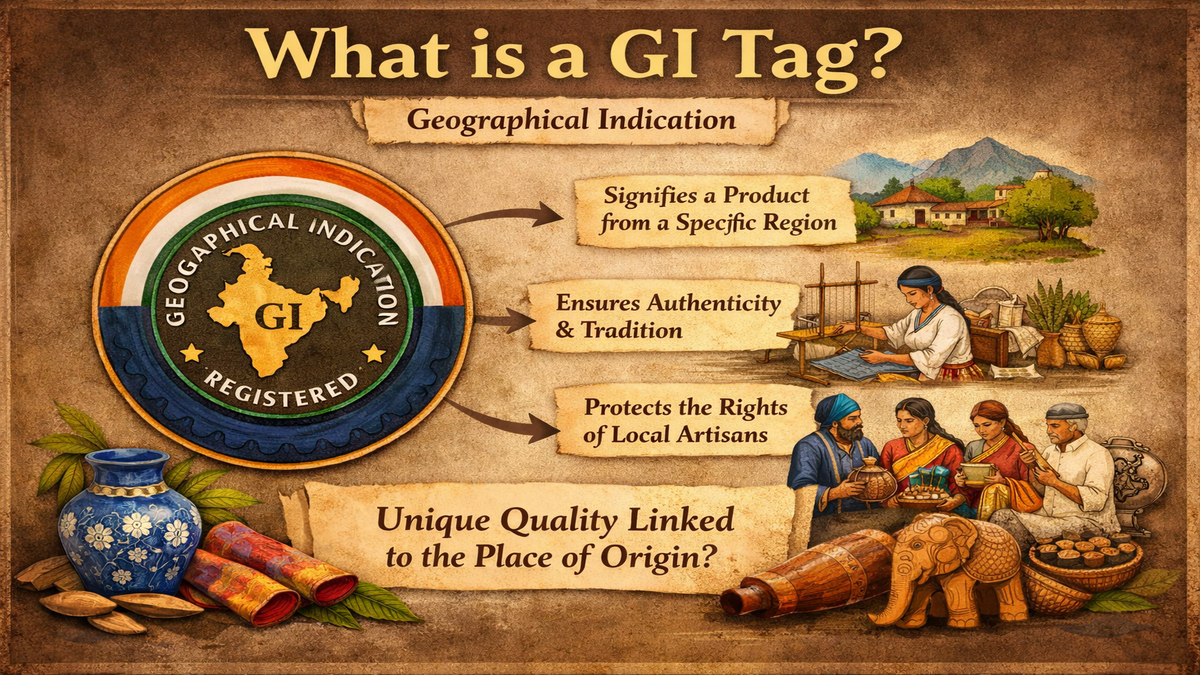
A community of producers will own and have collective ownership over a GI tag as opposed to being owned individually or through a company, as is the case with trademarks; therefore, only the approved producers, specifically those based in that geographical area, will be permitted to use the product name.
Why GI Tagging Matters for Indian Crafts
Protecting Cultural Identity
Regional traditions shape Indian craft. The purpose of a geographical indication (GI) tag is to protect the identity of a craft by restricting its use to only those who have earned that right. Without this protection from imitation products coming into the market, the original craft will become diluted and lose its identity as a craft based on a unique geographical area.
Economic Empowerment of Artisans
With GI tagging, artisan crafts can have improved access to the marketplace, both nationally and internationally, through increased recognition; this increased recognition will increase demand for the crafts, which results in a fair price for the craftsmen’s products.
Preserving Traditional Knowledge
Many traditional crafts are centuries old and rely on skills passed down orally through generations. GI tags encourage artisans to continue practicing these crafts, ensuring that valuable knowledge is not lost to time.
Famous GI Tagged Crafts of India
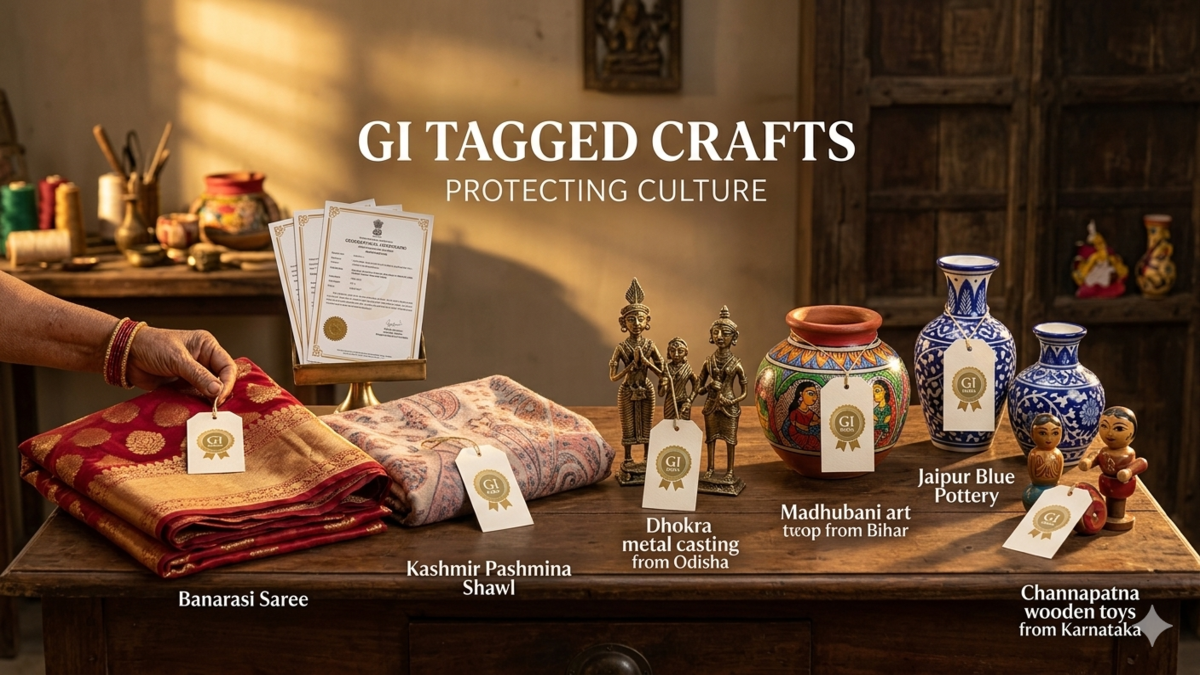
India boasts hundreds of GI-tagged crafts, each with its own story and charm.
Madhubani Paintings (Bihar)
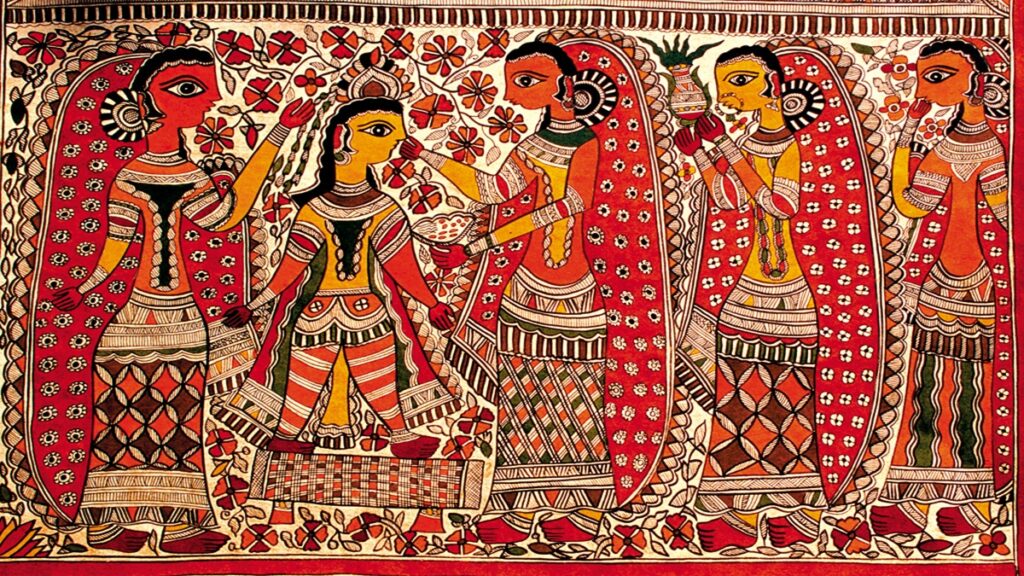
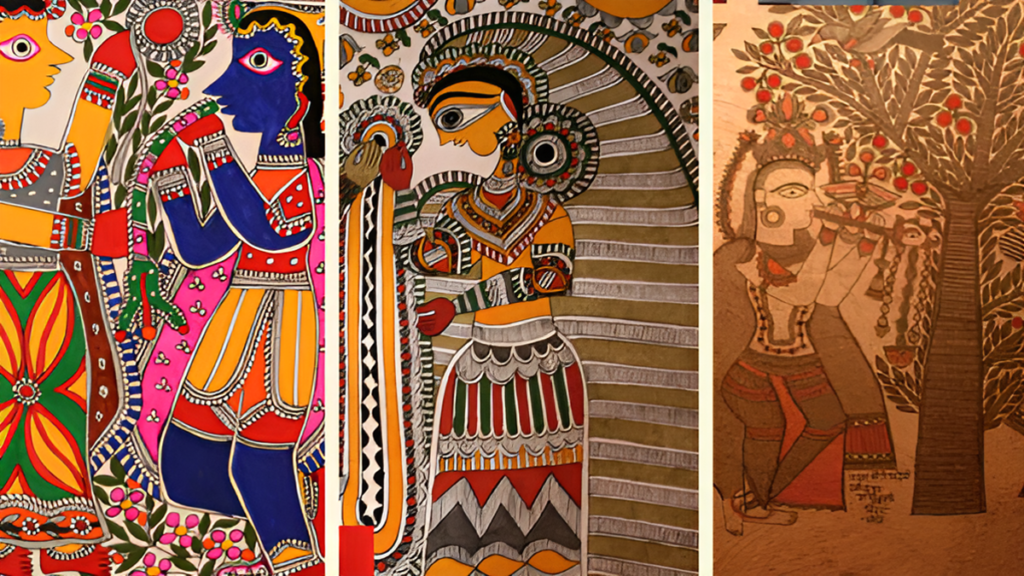
Madhubani paintings originated from the Mithila area and are known for their brightly colored, detailed designs and subject matter based on everyday living as well as nature and myth. This traditional women’s artwork was originally produced on muddy walls, but it has since been transitioned to paper, canvas, and fabric, although the art form is still very much connected with their cultural heritage.
Banarasi Silk Sarees (Uttar Pradesh)
Banarasi silk sarees serve as both an elegant and traditional representation throughout history and continue today as fashionable garments with intricate zari designs based on Mughal artistic influence; like all true examples of artistry created from pure silk, these luxurious garb can be found throughout the world, particularly amongst those celebrating weddings or other significant events.
Pashmina Shawls (Jammu & Kashmir)
Pashmina is viewed as the epitome of luxury; this luxurious shawl is crafted from the highly prized, extremely soft, and exquisitely warm fine wool of the Himalayan goat. Plus, the artisanship required to create the finished product gives each pashmina its characteristics, making it unique and of great value.
Kanchipuram Silk (Tamil Nadu)
The Kanchipuram silk sarees are robustly constructed and have an intricate texture. They derive their design elements from the architecture of temples, so their designs include many traditional motifs, such as those from Hindu temples and bright, vibrant colors. Kanchipuram silk sarees are a classic example of South Indian culture that will never go out of style.
Blue Pottery (Jaipur, Rajasthan)
Blue pottery from Jaipur has a different composition than clay pottery; it uses both quartz and glass in its production process. It has a unique style to it with blue and white designs; it is highly influenced by Persian artwork and has become a very popular method of decoration.
Channapatna Toys (Karnataka)
Wooden toys created using natural paint/dye with an eco-friendly method are made using traditional craft techniques. Toys made in Channapatna are all handmade with vibrant colours and smooth surfaces, and were made using sustainable crafting in India, so they can safely be used by children.
Kalamkari (Andhra Pradesh & Telangana)
Kalamkari is a hand-painted or block-printed textile art known for its intricate storytelling. Using natural dyes, artisans depict scenes from epics like the Ramayana and Mahabharata.
Warli Paintings (Maharashtra)
One of the oldest tribal art forms in India, Warli paintings use simple geometric shapes to depict daily life, nature, and rituals. Their minimalistic style has gained global recognition.
Phulkari Embroidery (Punjab)
Phulkari, meaning “flower work,” is a vibrant embroidery style traditionally practiced by Punjabi women. It is often used in dupattas and shawls, symbolizing joy and celebration.
Kutch Embroidery (Gujarat)
Known for its intricate patterns, mirror work, and bold colors, Kutch embroidery reflects the diverse cultural influences of the region’s communities.
Bidriware (Karnataka)
Originating from Bidar, this craft involves intricate silver inlay work on a black metal base. Its elegant contrast and detailed designs make it highly distinctive.
Sambalpuri Ikat (Odisha)
This textile craft uses a unique resist-dyeing technique where threads are dyed before weaving. The result is a stunning blend of geometric and traditional patterns.
Toda Embroidery (Tamil Nadu)
Practiced by the Toda tribe of the Nilgiris, this embroidery features bold red and black patterns on white fabric, often inspired by nature and tribal beliefs.
Kashmir Sozni Embroidery (Jammu & Kashmir)
A fine needlework technique used on shawls and garments, Sozni embroidery is known for its delicate floral patterns and exquisite craftsmanship.
Chikankari (Lucknow, Uttar Pradesh)
This delicate hand embroidery style is famous for its elegance and subtlety. Traditionally done on muslin and cotton fabrics, Chikankari is a symbol of refined craftsmanship.
Bastar Dhokra (Chhattisgarh)
An ancient metal casting technique, Dhokra art uses the lost-wax method to create tribal figurines and decorative items with rustic charm.
Pipli Appliqué Work (Odisha)
Known for its colorful fabric cutwork, Pipli art is traditionally used to make canopies, wall hangings, and decorative items, especially for temple rituals.
Assam Muga Silk
Muga silk, unique to Assam, is known for its natural golden sheen and durability. It is one of the rarest silks in the world and gets better with age.
The Process of Getting a GI Tag
Obtaining a GI tag is a detailed and collaborative process. It is usually initiated by associations, cooperatives, or organizations representing artisans and producers.
The application must include:
- Proof of origin
- Historical records of the craft
- Description of production methods
- Evidence of uniqueness
Once submitted, your application is reviewed, published, and opened for an opposition period. After the application is approved and registered as a GI, there are long-term benefits for artisans and their crafts, but it may take time for approval to occur.
Challenges Faced by GI Tagged Crafts
Lack of Awareness
Many people do not know what the GI label represents; when consumers purchase imitation products, they contribute to diminishing the worth of genuine handicrafts.
Market Competition and Fake Products
The vast availability of mass-produced merchandise that imitates the historical product design at lower costs makes it hard for true artisans to stay in business.
Limited Access to Markets
Craftspeople are located in rural communities without much access to the world market. If you can’t adequately market or distribute your product, you will have little chance of being discovered.
Balancing Tradition and Modernization
So how do you innovate/craft for today’s consumer and still maintain the authenticity of your craft by not losing the craftsmanship of the process? It is a fine line to walk and a continual challenge.
Role of Government and Organizations
The Indian government has taken several initiatives to promote GI-tagged products. Campaigns like “Make in India” and “Vocal for Local” encourage consumers to support indigenous products.
Various organizations and NGOs also play a crucial role by:
- Providing training and skill development
- Organizing exhibitions and fairs
- Connecting artisans with e-commerce platforms
These efforts help bring traditional crafts into the global spotlight.
How Consumers Can Help Preserve These Crafts
As consumers, we have a powerful role to play in preserving India’s cultural heritage.
- Choose Authentic Products: Always look for GI tags when purchasing traditional items.
- Support Local Artisans: Buying directly from artisans or local markets ensures fair income.
- Spread Awareness: Sharing stories and information about these crafts helps increase their visibility.
- Promote Sustainable Choices: Many traditional crafts are eco-friendly and support sustainable living.
Every purchase becomes a vote for preserving heritage.
The Future of GI-Tagged Crafts in India
The future for GI- tagged crafts from India will bring innovation together with tradition. In addition, due to the availability of new digital platforms, artisans will now have a greater opportunity to reach out to customers around the world. Social media, online marketplaces, and storytelling will all create greater awareness of these crafts.
The youth are increasingly interested in reinterpreting traditional arts and crafts by applying them in new contexts, such as in fashion, for example, home decor or for everyday living.
The desire for sustainability also enhances the appeal of handcrafted and environmentally friendly goods and makes handmade goods that have received a GI tag even more important today.
Explore More👉: Cultural Significance of Yoga, Secrets of the Rigveda, Jain City of Peace – Pawapuri
Conclusion: Keeping Tradition Alive
GI-tagged artisan products do not just represent beautiful items; they also represent India’s spirit. GI tagged artisan products carry consumers history, skill, and passion, located in that work of art. Protecting GI-tagged artisan products will help protect our heritage and ensure the continuity of numerous communities in the future, as well as their cultural identity.
In an era of swift change, these traditional crafts remind us of who we are. Supporting products that carry the GI tag illustrates that we are part of an evolving global movement that values authenticity, cultural/social connections, and human creativity.
Let us honor, continue to preserve, and carry on India’s rich legacy of cultural heritage.

Subscribe to our YouTube Channel: https://www.youtube.com/@BhartiSanskriti-BS