
Table of Content
Contents
Bihar has one of India’s best-kept culinary secrets: an incredible tradition that uses and turns basic, local products and resources into delicious and wholesome foods with deep cultural roots and connections to hospitality. For the traveller who wants to experience Bihari cuisine, it isn’t just about what you are eating from the market locally, but rather an experience that encompasses understanding rural life, festivals, and culture through food.
Essence of Bihari Cuisine
The roots of Cuisines of Bihar can be traced to agriculture and the seasons from which it’s harvested. It is made primarily from grains such as wheat, rice, and maize, along with pulses, Sattu, and other vegetables. Mustard oil, panch phoron (a mixture of five spices), garlic, and green chilis serve as the predominant flavours in almost all Bihari dishes; however, many dishes are slow-cooked and roasted over wood, imparting a rich, smoky fragrance.
Within the state, differing styles of the different areas, e.g., Mithila, Magadh, Bhojpur, and Anga, as well as individual tastes, are present. However, when one eats out at a local village’s food outlet, the local restaurant in Patna or Gaya, or a temple food outlet, one will feel an overall emphasis on being warm, generous, and creating a feeling of being at home.
1. Litti Chokha – Pride of Bihar
The state’s signature dish, Litti Chokha, represents one of the most important aspects of Bihar’s culture and history. The traveler must sample this dish at least once while in Bihar. It consists of baked wheat balls (Litti) filled with a mixture of spiced sattu (roasted chickpeas) and traditionally cooked over cow dung and/or wood logs on an open fire; the Litti is then dipped in desi ghee (clarified butter).
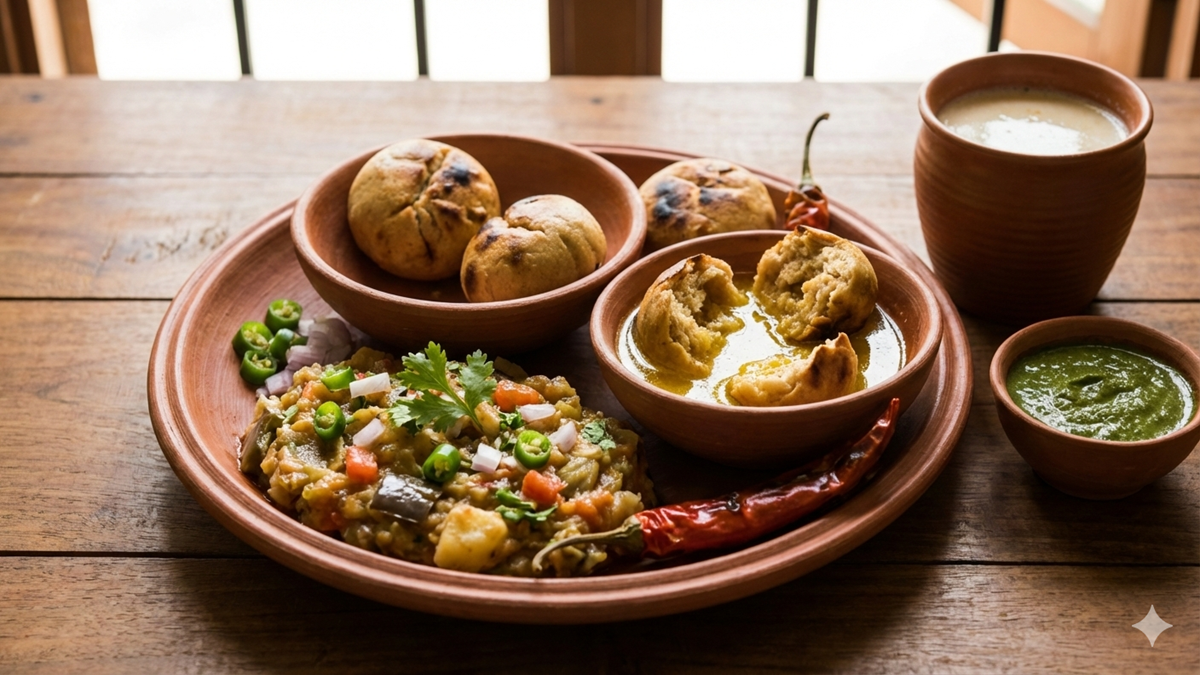
Chokha is a smoky mashed dish made by roasting brinjal, boiling potatoes, mashing them into a smooth paste, and then mixing in chopped onion, green chili pepper, & coriander leaves before drizzling with mustard oil. The combination of crusty litti, rustic chokha & rich ghee makes for a very satisfying and earthy meal—reflecting the rural soul of Bihar.
2. Sattu Paratha and Sattu Drinks
Sattu is a highly versatile and iconic ingredient in the state of Bihar, India. Sattu is made from the ground flour of chickpeas that have been dry-roasted. The preparation of Sattu Paratha involves mixing together the ground flour with various spices, chopped onion, green chilies, and herbs, and then making a wheat dough into which the prepared mixture is placed before rolling and baking it on a tawa in ghee or clarified butter. These ingredients combine to make a high-energy breakfast or meal that can easily be transported while traveling.
The Sattu Sharbat, which is a beverage made by combining Sattu (roasted chickpea flour) with cold water, salt, lemon, and in some cases, onion and cumin for flavouring, has been enjoyed for centuries as a refreshing drink during the summer months and is also a nutritious meal replacement. Many people prefer the sweeter styles of Sattu Sharbat, using either sugar or jaggery as a sweetening agent, especially when they are travelling long distances in the hot summer sun.
3. Dal Pitha – Bihari Dumplings
Dal Pitha is a traditional dish from Bihar that consists of dumplings made of rice flour dough. These dumplings are filled with a variety of lentils (or dals) and flavoured with ginger, garlic, green chillies, cumin, and other spices. After they have been formed into shape, they are steamed. Pitha is served hot with chutney or curry and can also be drizzled with ghee. This nutritious protein-packed meal is ideal for anyone who is travelling or looking for a lighter, non-greasy version of traditional Bihar food.
4. Khichdi, Chokha, and Ghee
In Bihar, Khichdi is more than a means of providing nourishment; it is also related to many traditions and rituals, particularly on Saturdays and during festivals such as Makar Sankranti. Khichdi consists of a combination of rice and pulses cooked together to create a very soft, porridge-like consistency and is often tempered (flavored through cooking/roasting) with ghee (clarified butter), cumin, and garlic.
Khichdi can be enjoyed alone as well as with Chokha and Papad, Pickles, and Ghee; thus transforming this simple dish into a fully balanced and nutritious meal known as Thali. Also, due to the nature of Khichdi being viewed by many households as a “sattvic” purifying food, it is typically eaten after a period of fasting or performing religious rituals.
5. Chana Ghugni and Ghugni-Muri
Chana Ghugni makes for a popular street-side snack as well as a breakfast dish prepared from black or yellow chickpeas cooked alongside onion, tomato, ginger, and spices. The combination of chopped onions, coriander, green chilies, and lemon creates multiple layers of both spicy and sour flavours.
Ghugni-Muri is a staple food of the Anga Region of East India. Ghugni is a hot chickpea curry made with spices and served with puffed rice known as Muri. The combination of these two foods creates a light and filling meal enjoyed by many local residents as breakfast or as street food in the evening. You will frequently find vendors selling ghugni near marketplaces, bus terminals, and railway stations, providing visitors with an easy introduction to Cuisines of Bihar.
6. Kadhi Badi – Festive Comfort
Kadhi Badi is a combination of deep-fried badi (gram flour dumplings) cooked with a tangy kadhi (yogurt-based gravy). Kadhi badi has a hint of sweetness and provides both warmth and sourness, with a blend of flavourful spices such as turmeric, curry leaves, mustard seeds, and sometimes fenugreek (methi).
Many homes in Bihar, Kadhi Badi, are commonly enjoyed as the main course at special events or feast days, usually served alongside an accompanying dish (typically steamed white rice). For visitors to Bihar, this would also serve as a great way to sample some of the traditional home-style dishes from the area that are not as widely recognized as Litti Chokha.
7. Bihari Mutton: Champaran Meat and Kebabs
Champaran Meat (Ahuna mutton) – also known as “Ahuna” due to the way it’s prepared – is a slow-cooked mutton dish. The meat is marinated in mustard oil, garlic, onion, and spices before being cooked in covered earthenware pots over low heat for many hours (usually overnight). As a result, Champaran Meat has a remarkably tender texture, an intense smoky flavor, and a rich, thick sauce that clings to rice or roti. The tenderness of the meat, combined with the smokiness of the seasoning and fat, creates a unique taste and aroma.
Cities like Muzaffarpur & Patna are famous for Bihari-style kebabs, including Mutton & Reshmi kebabs, which have heavy Mughlai & Awadhi influences & are grilled using charcoal. These kebabs are a must for meat lovers to Sample when exploring the Urban Food Lanes in Bihar.
8. Fish Curries of Mithila and Anga
The regions of Mithila and Anga, as well as Northern and Eastern Bihar, have a long-standing tradition of preparing freshwater fish dishes. River fish are typically boiled in mustard oil and served with a mixture of turmeric, green chilies, and either mustard or tomato-based gravy, yielding an intense yet balanced flavor.
In Mithila, dishes like maachh-jhor (fish curry) are common at family gatherings and special occasions. For travelers, tasting a simple home-style fish curry with rice offers insight into how closely Bihari cuisine is tied to its rivers and farmlands.
9. Dhuska and Alu Sabzi
Though often linked with neighbouring Jharkhand, Dhuska is also popular in parts of Bihar. It is made from a batter of rice and lentils, deep-fried into fluffy, crisp-edged discs.
Dhuska is usually served with spicy potato or chana-based curries, making it an indulgent breakfast or snack. Street stalls and small shops often serve hot dhuska in the morning, especially in market areas and near temples.
10. Pittha (Pitha) – Stuffed Rice Cakes
Pittha (or pitha) in Bihar refers more broadly to steamed rice cakes made from a dough of fresh rice flour, which can be filled either with savoury spiced lentils and vegetables or with sweet mixtures like coconut, jaggery, sesame, or khoya, depending on the occasion. Closely associated with festivals and winter months, these gently steamed dumplings, often cooked in cloth-lined steamers or special moulds, offer travelers a comforting, home-style experience of Bihari cuisine that ranges from hearty snacks to devotional festive sweets.
11. Thekua – The Chhath Puja Sweet
One of the most iconic sweets associated with Chhath Puja is thekua. Thekua is a sweet made in Bihar and is regarded as a symbol of hospitality during major festivals (Chhath). The dough for thekua consists of wheat flour (atta), jaggery (gur) or sugar and ghee (clarified butter). The dough is formed into various shapes or discs and cooked in hot oil until it is crispy and golden brown on the outside.
It has a crisp, crunchy texture and is very durable so it is an ideal travel snack that the local population often keeps on hand when they have to travel or they send to their family members who do not live in the same area. When traveling, many people will also have a unique cultural experience by eating thekua that may have been made at home and offered as prasad during the Chhath festival season.
12. Khaja – Flaky Layered Delight
Silao Khaja is a product from the area near Nalanda in India that is well-known enough to be recognized as having a “Geographic Indication” (GI) designation. It has many layers (sometimes referred to as “folds”) made from flour and fried in ghee, then placed into a sugar syrup before being served as a dessert. The finished product is a very crispy, light, and flaky dessert that has a texture similar to that of “Baklava.”
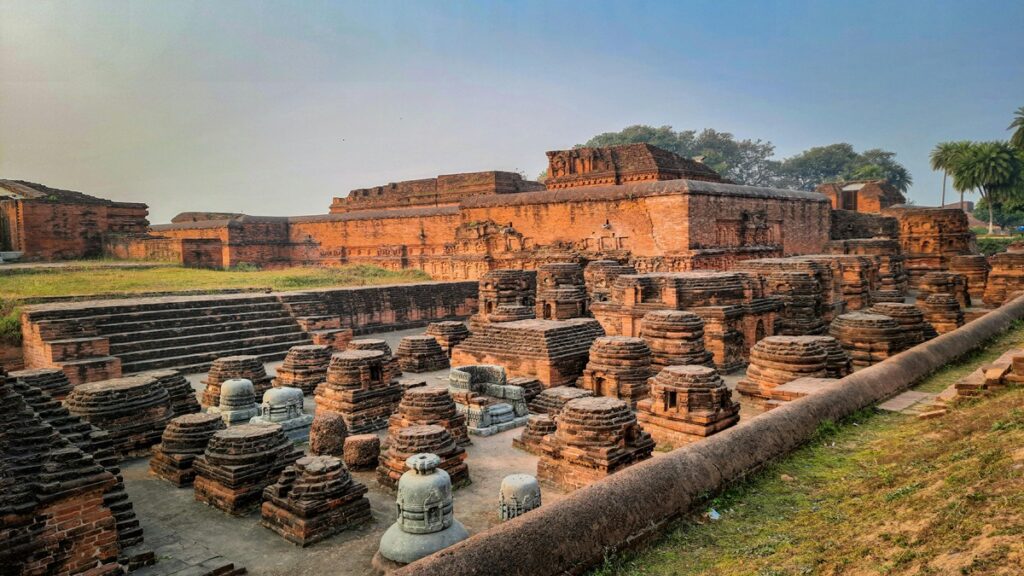
Silao Khaja is commonly available at festivals, weddings, and other celebrations; it can also be found in sweet shops throughout Bihar. When visiting Nalanda, Rajgir, or Bodh Gaya, visitors are likely to see “Silao Khaja” offered on vendor carts as a specialty product of that area.
13. Chandrakala and Pedakiya
In Bihar, Chandrakala and Pedakiya are rich, stuffed sweets that are considered to be very popular during the festive season of Teej and other holidays. Chandrakala is an outer shell made of fine flour that has a filling of Khoya, Suji, and coconut (grated), with dry fruit and sugar. The sweet is deep-fried, and a few of them are dipped in sugar syrup before serving.
Chandrakala is traditionally shaped like a half or full Moon and has its edges crimped, while pedakiya are most commonly in the shape of a gujiya, with regional differences in the method of preparation. Both of these items are rich and dense; they should ideally be eaten fresh from a mithai shop.
14. Malpua – Festival Favourite
In many places across India, “Malpua” is found yet Bihari has established itself as a unique sweet tradition of Bihar. The method of making Malpua starts with preparing batter from flour, milk, and, occasionally, mashed bananas. The batter is deep-fried in ghee until it turns golden. After deep frying the Malpua, they are soaked in sugar syrup that has been flavored with cardamom before being served.
Malpua looks quite nice served with nuts, and people make it during Holi and other celebrations. Some people enjoy Malpua with rabri for a more decadent treat. In addition, those who enjoy sweets can find this delicious dessert everywhere at local halwai stores and festive food stalls.
15. Tilkut – Winter Sesame Sweet
Tilkut is a traditional winter delicacy composed of sesame seed (til) and either jaggery or sugar, and is commonly linked to Gaya and the adjacent regions. The sesame seeds are roasted and ground into a powder, which is combined with melted jaggery or sugar, and formed into disc or bar shapes, being hard but slightly chewy at the same time.
Sesame foods are consumed in large amounts around Makar Sankranti. They are thought to be auspicious, so they are regularly produced and sold at this time of year. Along with Tilkut, which visitors in winter should sample from Gaya’s sweet shops, there are also a lot of other seasonal foods that are offered by various other sellers.
16. Makhana Kheer and Makhana Snacks
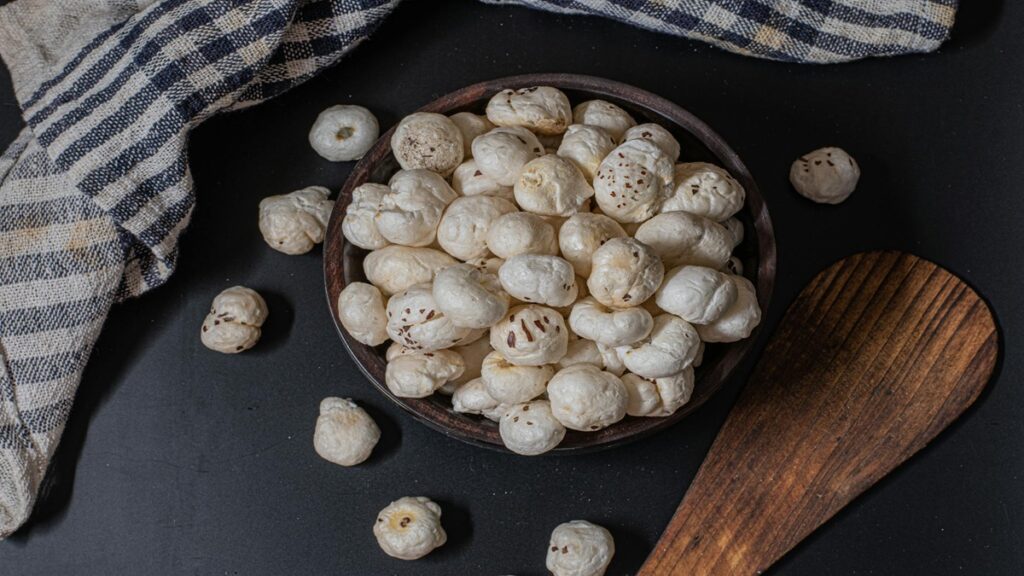
The Mithila Region of Bihar is well known for producing Fox nuts (also called Makhanas). Makhana Kheer is a creamy delicacy created by simmering the nuts with sugar, milk, cardamom, and other nuts.
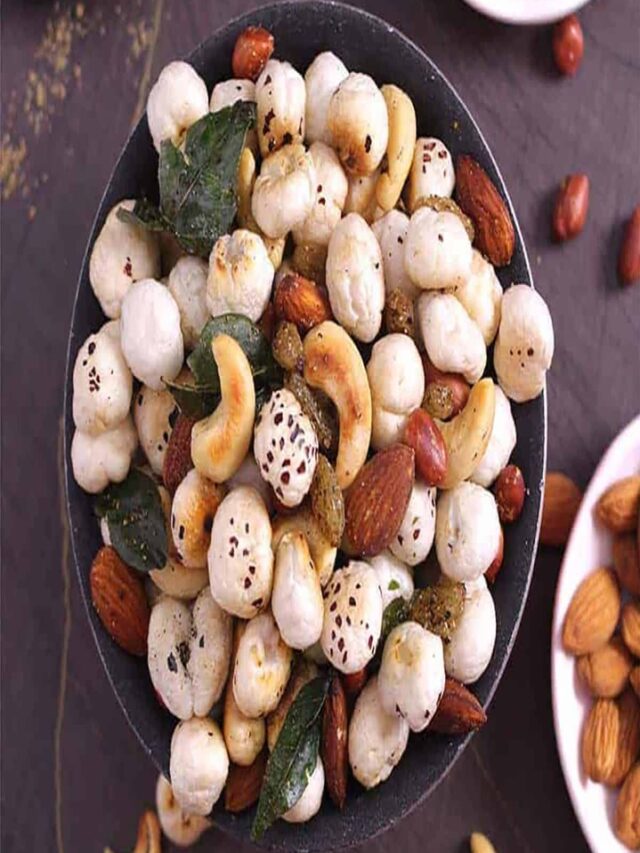
Ghee-tossed roasted makhana with seasoning is a well-liked snack eaten during religious occasions or fasting. Those who travel through Bihar will notice the importance of makhana at local markets and as offerings to deities in temples, which illustrates how important it is in the food culture of Bihar.
17. Anarsa, Lai, and Regional Laddoos
Bihar’s unique specialty sweets are Anarsa and Lai. Anarsa is typically made from rice flour, along with jaggery and sometimes poppy seeds, and is fried into a dense and crisp golden brown to make them an excellent light middle-of-the-road treat during celebratory occasions.
Puffed cereal sweets like Lai and others, made with jaggery combined with ramdana or other grains, can be found in Barh and many other places in the area that have a large population of people who celebrate various festivals. Several types of laddoos, including boondi laddoo, kasar laddoo and many others, are commonly found in religious and celebratory meals throughout the state of Bihar.
18. Puri–Sabzi–Jalebi Breakfast
Bihar is home to one of the most traditional favourites for breakfast where you enjoy warm puris with a simple, slightly spiced Potato Curry, plus a side of Jalebi. This sweet and savoury combination has been embraced not only in towns but also in small towns and villages across Bihar on weekends, during market days, and at special celebrations.
In many parts of Bihar, large gatherings of people can be seen at the halwai (sweet shop) early morning where people are often eating ‘puris’ (deep-fried bread) and ‘sabzi’ (vegetables) as part of their morning meal. Following this, they may also enjoy eating crispy, syrupy ‘jalebis’ (a conical dessert); these foods serve as an example of the indulgence and communal ties associated with Bihari food customs.
19. Rural Snacks: Pua and Handvo-like Fritters
Pua or Pooda, which are synonyms, is a tasty treat typically made of thick batter that consists of wheat flour and jaggery (also known as palm sugar). Other ingredients used to flavour this dish can include fennel and cardamom. Pua can be fried in either shallow or deep frying oil. Traditionally, puas are eaten at festivals like Teej or as a tea accompaniment along with simple desserts.
While visiting rural Bihar, travelers should be aware of the abundance of fritter-style snacks made from vegetables, lentils, or grain flour that are sold in weekly markets and roadside stands. Getting to taste these lesser-known local delights will provide an even greater insight into the way food is consumed in villages other than through well-known restaurant meals.
20. Temple Prasad and Naivedyam
Bihar’s Temple Food incorporates a spiritual aspect into the everyday food culture of the state; many temples throughout Bihar are located near important pilgrimage sites i.e., Patna Sahib, Gaya, Bodhgaya; these sites produce unique types of prasad (food offered to deities and then given to devotees), including laddus, pedas, khichri, and sweet rice varieties.
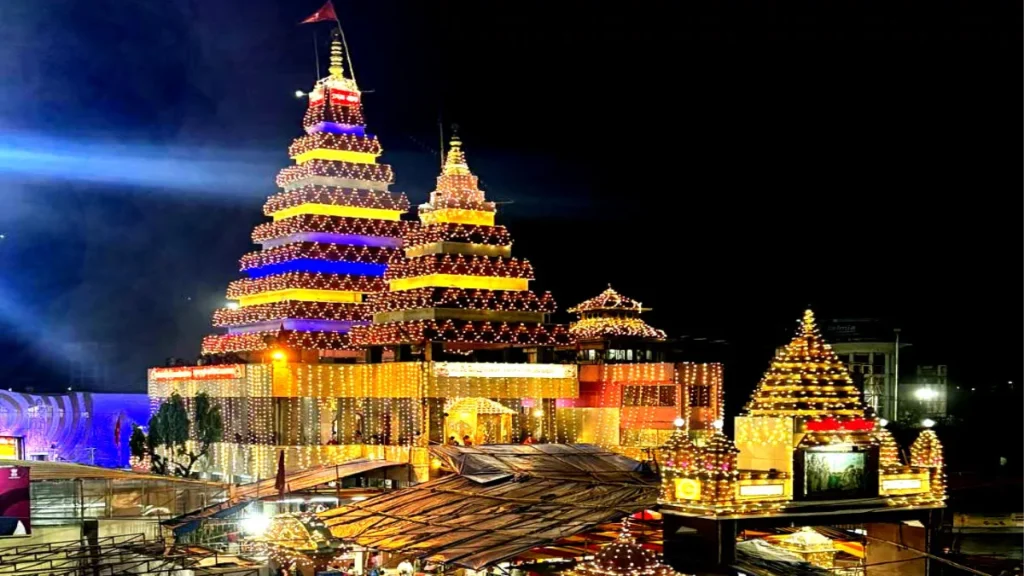
Some places also have specially named offerings, such as Naivedyam (the prasad of famous Mahavir Mandir, Patna), a rich, ghee-laden sweet made from gram flour, sugar, and dry fruits, served in certain religious centers. For travelers, accepting prasad and eating temple food becomes a way to connect not only with faith but also with a long, living tradition of community kitchens and charity.
Tips for Travelers Exploring Bihari Food
- Look for local eateries
- Try smaller, family-run restaurants and dhabas rather than only big chains, especially near bus stands, old markets, and temple areas.
- In cities like Patna, Gaya, Bhagalpur, and Muzaffarpur, ask locals for recommendations for litti shops, sweet stores, and traditional thalis.
- Time your visit with festivals
- Chhath Puja is ideal for tasting fresh thekua and traditional homemade snacks.
- Makar Sankranti and the winter months are best for tilkut, sesame sweets, and rich khichdi meals.
- Respect cultural context
- In many homes and temple-linked places, food is linked with ritual purity and customs; dressing modestly and following basic etiquettes makes the experience smoother.
- Asking before taking photos of home-cooked food or prasad is considered polite and appreciated.
Exploring these 20 must-try foods reveals how deeply Bihari cuisine is connected with land, labour, faith, and family, turning every meal into a story of the state’s history and heart.

Subscribe Our Youtube Channel: https://www.youtube.com/@BhartiSanskriti-BS