
Every year when the full moon appears during Kartik, the banks at the confluence of the Ganges and Gandak seem frozen in time, at the intersection of past events and living folklore. Individuals attend this meeting to participate in trade, pilgrimage, and food, as well as learn the historical and newly composed tales that are a part of its stage. The festival of Sonapur Mela, which became one of the largest traditional markets for animal sale across the sub-continent, continues to be one of India’s unique cultural events during which colourful temporary tents, excited horns, and shouting voices bargaining for goods, sacred singing, and the slow-moving presence of elephants can be experienced.
Origins: Myth, Empire, and an Idea That Grew
Sonepur’s heritage includes elements of both mythology and history. The festival is traditionally associated with the Hindu story of Gajendra Moksha, in which Lord Vishnu saved an elephant (Gajendra) from being eaten by a crocodile and granted him spiritual freedom. This religious association gave the mela a ritualistic aspect. On Kartik Purnima (the full moon of Kartik), participants perform rituals such as bathing, making offerings, and gathering. Sonepur Mela (also known as Harihar Kshetra Mela) has expanded beyond its mythical origins and, throughout the ages, has provided a venue for Rulers and Traders — from Mauryan Marketplace Networks to Medieval Caravan Routes — as a place to buy horses and elephants as well as livestock.
Sonepur Mela became an event on a much larger scale because of both its commercial opportunities & religious significance. As a result of this scenario, Sonepur Fair grew to be an event that could extend in duration from two weeks to a full month. For many generations, farmers, mahouts, & merchants planned their lives around the timing of this event.
The Fairgrounds: A World in One Town
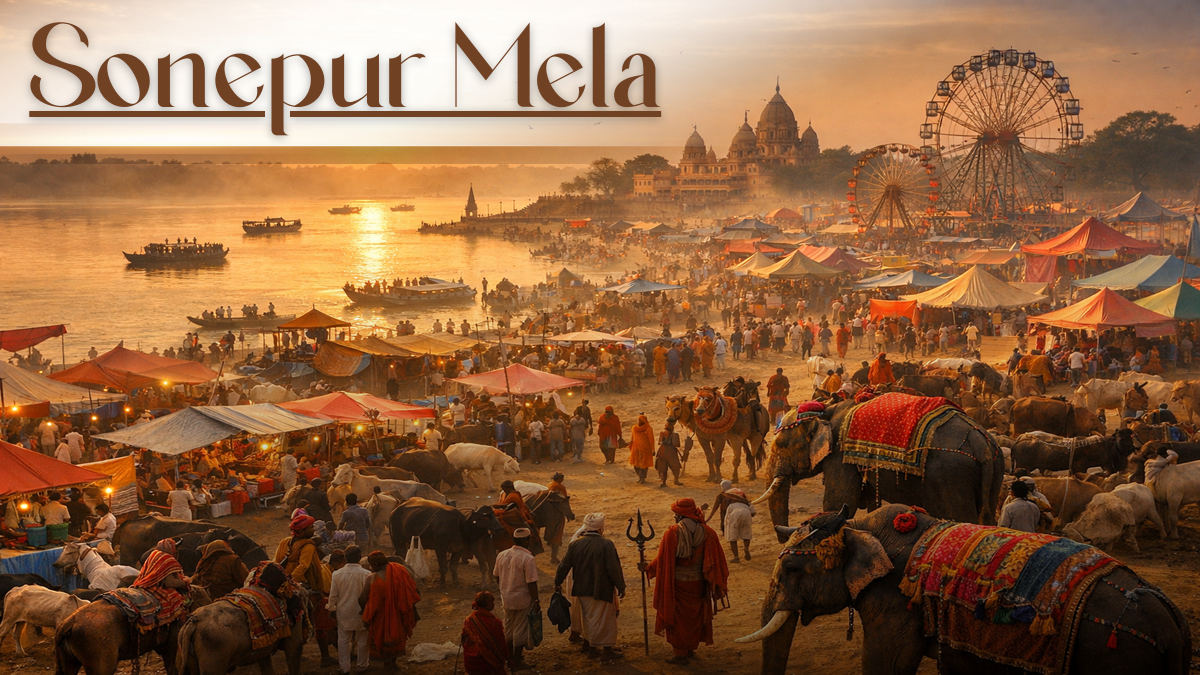
When you go to the Sonepur Fair, you step into a small world all by itself; the fair covers sandy areas beside the river as well as many temporary paths filled with vendors selling their wares. There are designated areas for livestock, designated areas for traders from various states, tenting for religious activities, street performers performing as bands, film studios displaying films, and food vendors from momos to sweets to local delicacies.
At sunrise, visitors to the ghat can observe majestic elephants entering the water as they perform the ritualistic daily bath, listen to merchants discuss trade while negotiating costs, and watch the manipulation of puppets telling mythical stories on stage in front of them. The combination of these three experiences (devotional, commercial, and theatrical) forms the essence of what makes up the spiritual appeal of Sonepur.
The Grand Cattle Fair – Heart of Sonepur
For many years, Sonepur’s most spectacular attraction had been elephants. There were large parts of the fair devoted to these huge animals, dressed in colorful clothing with bells hanging from their necks, which were often transported by mahouts from distant forests and temple-ridden cities. The sight of tuskers at the riverbank attracting onlookers and photographers is perhaps the most recognizable image associated with Sonepur.
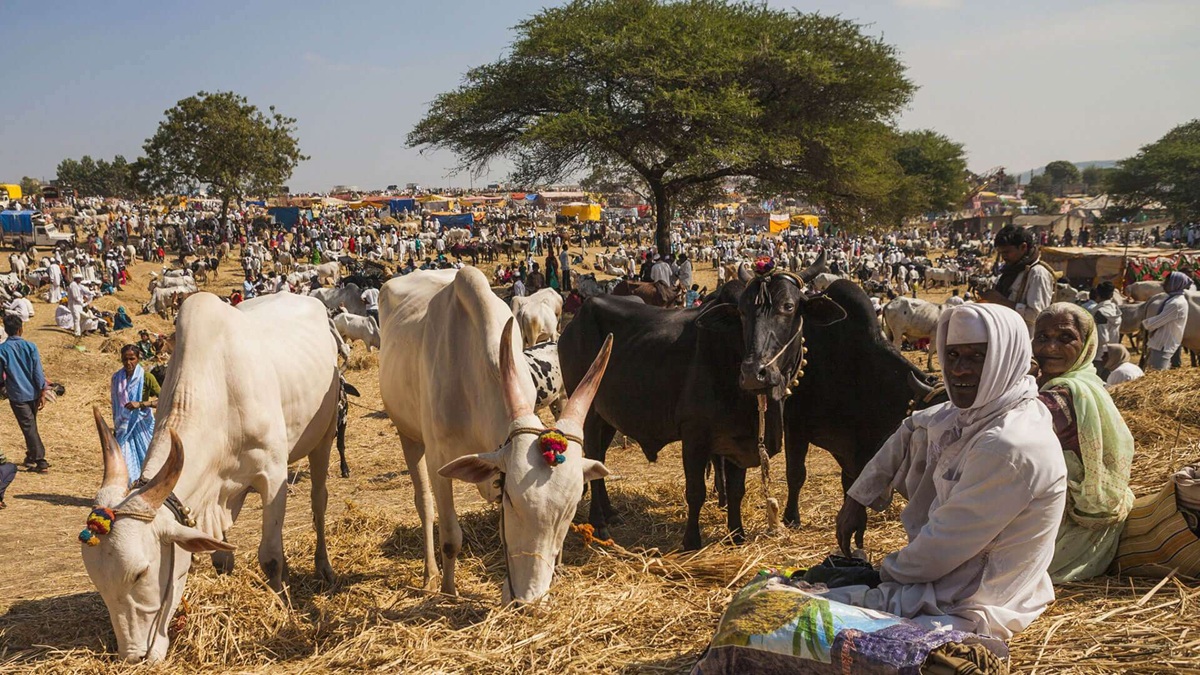
But the trade of elephants, and later on the sale of specific types of cattle, drastically decreased as a result of legislative and conservation changes due to stricter wildlife protection policies and animal cruelty legislation by the Central Government. Beginning with the early 2010s through the present (2020s), elephant populations have declined from dozens to just a few, with most of those at fairs limited to display purposes (and therefore banned from being sold), and live animal sales becoming less prevalent as public opinion towards them changed. These developments ended up changing the economic models of fairs and resulted in vendors and fair organizers needing to change their business models.
Beyond Trade: Sonepur as Cultural Kaleidoscope
Although there has been a change to Sonepur Mela’s identity, the core essence of its identity has remained intact. The Fair has expanded to accommodate equal emphasis on Cultural Tourism and Community. Temporary craft bazaars sell an extraordinary variety of artisan goods, including embroidered textiles, handcrafted wooden toys, brass kitchen utensils, religious idols, and regional sweets. The stage areas feature performances from folk musicians, magic acts, and acrobats, while traditional forms of Oral Storytelling, including puppet shows and Street Theatre, have continued the long-established tradition of Oral Storytelling.
The food vendors are miniature representations of the area’s cuisine, which includes spicy chaats, sweets made from rice, litti-chokha, and river fish prepared using local spices. Eating at a food vendor is one of a visitor’s most memorable experiences during their stay, along with seeing the elephants. In response to this, the Bihar State Tourism Development Corporation (BSTDC) has created a tourist village and has developed “Swiss Cottage” style accommodations for tourists from all over the world, as well as Indian visitors, who prefer more luxurious experiences while attending the festival.
Religious Pulse: Kartik Purnima and Harihar Nath
Sonepur Mela has always been more than just a centre of trade or commerce; Sonepur also serves a very significant spiritual/ religious role as well. On Kartik Purnima, the day on which the process of bathing takes place at the junction of the rivers, temple processions and offerings to Harihar Nath — which is a representation of Vishnu and Shiva together — take place. The mela is a time when families come to bathe in the river and to observe the devotion of the citizens who have been conducting these rites for many generations. For many families, the mela is a combination of faith and social ritual; it provides an opportunity to renew vows of fidelity, to meet with relatives, and to participate in the life of their community.
Human Stories: Traditions, Pride and Loss
Animal enclosures are human history and experience. Mahouts carry down knowledge of their animals from one generation to the next, traders travel for many days to sell prized cattle, and families create seasonal animal stalls and rely on the foot traffic from the mela to make a living each year.
But change has also left its mark. People who once made a living from animal sales had to adapt when regulations and market demand altered. Some lament the “loss of the old sona” — the golden days when commerce thrummed at a louder pitch — while others welcome the fair’s safer, more tourism-oriented present. Documentaries and investigative reports have recorded both nostalgia and resilience in the faces of the mela’s participants.
A Photographer’s and Traveler’s Playground
For photographers, Sonepur Fair is a world of opportunities with its many colours and textures, dramatic animal scenes in huge crowds, and magnificent reflections on the river at sunset. However, while responsible tourists can enjoy experiencing the rich tapestry of rural life in India at this event, there are ethical dilemmas regarding the treatment of animals, as well as the impact on local culture because of the commercialisation of tradition.
When planning a visit to a place of worship, remember to do these things: arrive early (morning light & use of rituals for bathing), have patience (the area will be busy & it will take time to haggle over price), and have respect (many areas may be sacred or private). Do not contribute to any form of abuse — get permission before taking photographs, and support those who practice selling goods and performing arts, in a humane & sustainable manner.
The Modern Challenges and Adaptive Steps
The changes in Sonepur Fair (Mela) exemplify how traditional practices and regulatory authorities have merged. Conservation and Animal Welfare organizations have long been critical of certain animal trade practices that occurred at the fair, and to meet these criticisms, governmental agencies have implemented bans and increased regulatory enforcement regarding some aspects of animal trade practices in the fair, resulting in the protection of animals while disrupting the traditional economies associated with the fair.
Sonepur has focused on tourism and cultural offerings to generate revenue. Improvements to visitor amenities that have come from visitor programs offered by BSTDC’s tourist village (a traditional cultural village model), improved visitor services, and the expansion of facilities throughout the mela are all efforts to develop a safer, more sustainable mela, but also retain some degree of local cultural identity and adhere to current ethical and legal standards. While there have been positive results, such as the introduction of new facilities as well as an improved experience for visitors, there are also concerns regarding whether or not the mela can continue to support its existing economic base from the past.
Why Sonepur Mela Still Matters
Even with fewer elephants being traded and the rhythm of commerce altered, Sonepur Mela (Sonepur Fair) remains crucial for several reasons:
- Cultural Continuity: It is a living link to rural life, folk arts, and seasonal ritual. The fair compresses a large swath of traditional India into a few crowded days, making it a valuable cultural archive.
- Community Economy: For many sellers, artisans, and performers, the mela is a significant source of annual income. Even adjusted to a tourism model, those economic flows matter to local lives.
- National Memory: The fair is part of India’s festival landscape — a place where myth, market, and devotion meet, and where multiple generations rehearse identity.
Sonepur’s importance lies less in the items exchanged than in the people who gather — their stories, resilience, and the ways they have kept ritual and market braided together across centuries.
Practical Notes for Visitors
If you plan to visit Sonepur Mela, here are practical suggestions to make the trip rewarding and responsible:
- Timing: The mela centers around Kartik Purnima (usually November). The event can extend for weeks; check local announcements for exact dates.
- Stay: Consider local guesthouses or the BSTDC tourist village for easier access to the grounds. Booking ahead is wise during peak days.
- Money & Bargaining: Carry small notes and expect to bargain; cash is still widely used in stalls.
- Respect & Ethics: Do not encourage or pay for animal cruelty; photograph respectfully and ask permission when photographing individuals.
- Health & Safety: Bring water, sun protection, and comfortable footwear; the fair is crowded and can be dusty.
The Future: Can a Fair Reinvent Itself?
Sonepur is faced with balancing its heritage and tradition with the changing ethical requirements of visitors and society. Moving forward, it is challenging to find a fair balance between heritage and modern ethics. The introduction of conservation policies eliminated unsafe practices but also eliminated jobs and income for those involved in these practices; therefore, tourism serves as a means to make up for this loss. However, it will change the overall experience of attending the mela.
One thing that is certain about Sonepur Mela is that it will continue, since it has ties to tradition and regionality (the fair embodies the cultural and social identity of its people). While the current form of the fair has evolved to be more than an animal market, it seems unlikely that the core purpose of bringing people together to exchange stories and to celebrate and maintain traditions will be gone.
Final Reflection
Sonepur Mela is not only a market; it is also a representation of India – woven together with commerce, tradition, type of performance (spectacle), and transformation (change). Although elephants appear as relics of the past, new developments will occur regularly at the festival. In this way, the Sonepur Mela allows you to see a small (and concentrated) example of rural India, its mythology, and the human form of hospitality and work. If you come with an open mind and respect for the culture that surrounds the fair, you will be able to witness its evolution before your eyes.
Explore one more of Bihar’s famous Mela 👉 Pitru Paksha Mela

Subscribe to our YouTube Channel: https://www.youtube.com/@BhartiSanskriti-BS/